
Dark spots can feel frustrating, especially when they stay long after a breakout has healed.
You may notice post-acne marks, uneven skin tone, sun spots, brown patches, dullness, or areas of discoloration that seem to get darker in summer. Sometimes the skin looks clear in texture, but the marks remain.
At Viviane Aires Skin Wellness, we understand that hyperpigmentation and dark spots need a thoughtful approach. Pigmentation can be connected to acne, sun exposure, irritation, hormonal changes, inflammation, over-exfoliation, or skin sensitivity.
That is why your care should begin with understanding your skin — not guessing.
If you are looking for support with hyperpigmentation and dark spots in Philadelphia, this guide will help you understand possible causes, what may help, and which treatment path may be best for your skin.
What Is Hyperpigmentation?
Hyperpigmentation is when certain areas of the skin appear darker than the surrounding complexion. It may show as dark spots, post-acne marks, uneven tone, sun spots, or brown or gray-brown patches. The cause matters because different types of pigmentation need different skin care support.
Hyperpigmentation is a broad skin concern.
It can appear in different ways, including:
Not every mark is the same.
For example, red marks after acne are not always the same as brown post-acne pigmentation. Melasma-like patches are also different from simple post-breakout marks.
This is why a professional skin assessment matters.
We provide cosmetic skin care and does not diagnose medical skin conditions. If you have a new, changing, itching, bleeding, or concerning spot, please see a board-certified dermatologist.
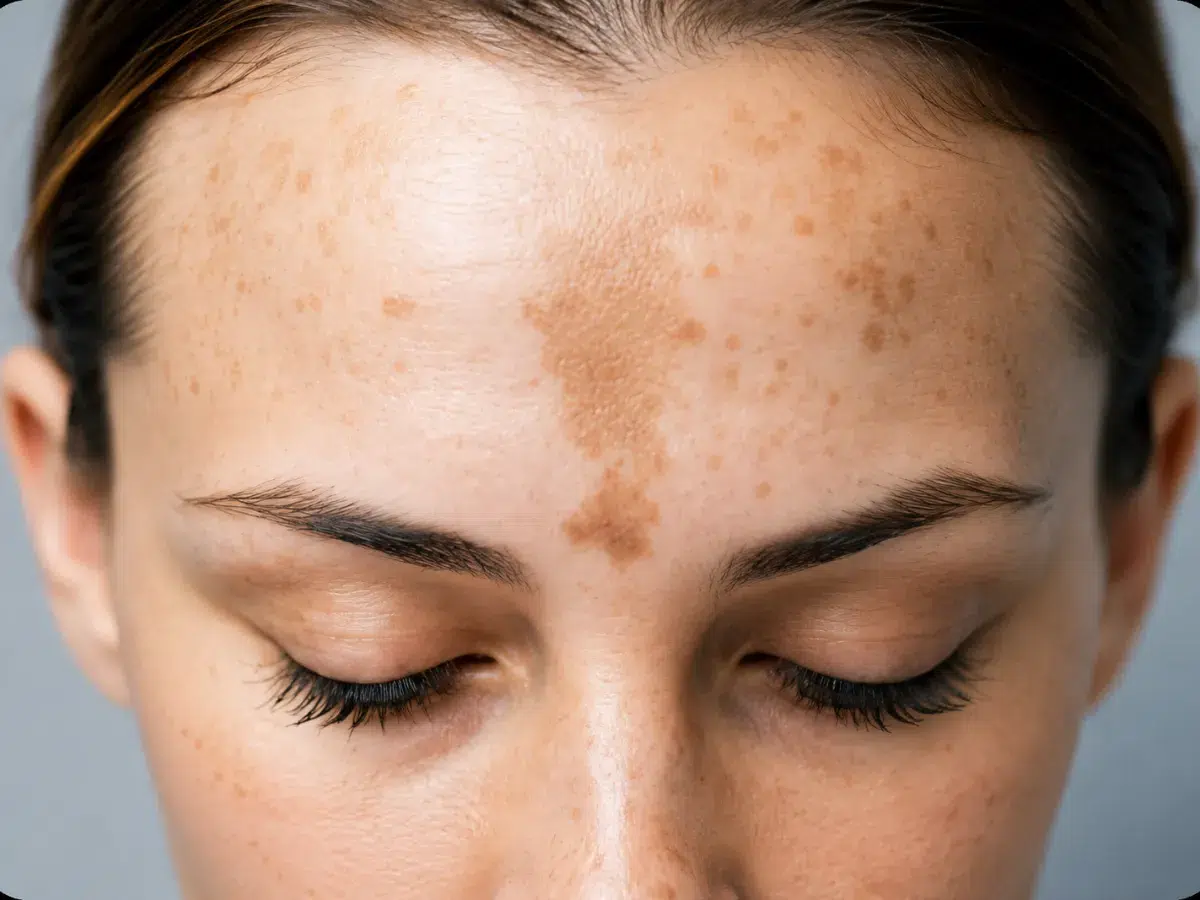
Common Types of Dark Spots and Uneven Tone
Dark spots can develop for different reasons. Understanding the type of pigmentation can help guide the right care plan.
Post-Acne Dark Spots
Post-acne dark spots often appear after breakouts.
They may look brown, gray-brown, or darker than your natural skin tone. This can happen when inflammation from acne triggers extra pigment in the skin.
Post-acne marks may become more noticeable when:
If you are still dealing with active acne and recurring breakouts, it may help to start with the active acne and recurring breakouts concern page before focusing only on pigmentation.
Sun Spots and Uneven Tone
Sun exposure can make dark spots and uneven tone look more visible.
Even if pigmentation started from acne or irritation, UV exposure may make the marks appear darker or last longer. This is why daily sun protection is an important part of any dark spot care plan.
Sun-related uneven tone may show as:
Melasma-Like Pigmentation
Melasma-like pigmentation may appear as brown or gray-brown patches on the face. It can be influenced by sun exposure, visible light, hormones, pregnancy, or other factors.
However, melasma needs medical diagnosis.
Viviane Aires Skin Wellness can support the cosmetic appearance of uneven tone and pigmentation-prone skin, but we do not diagnose melasma or medical skin conditions.
If you suspect melasma or notice a new or changing spot, please speak with a dermatologist.
Pigmentation From Irritation or Over-Exfoliation
Sometimes dark spots become worse because the skin is irritated.
This may happen from:
This is especially important for sensitive or melanin-rich skin. When the skin barrier is stressed, pigmentation may become more visible.
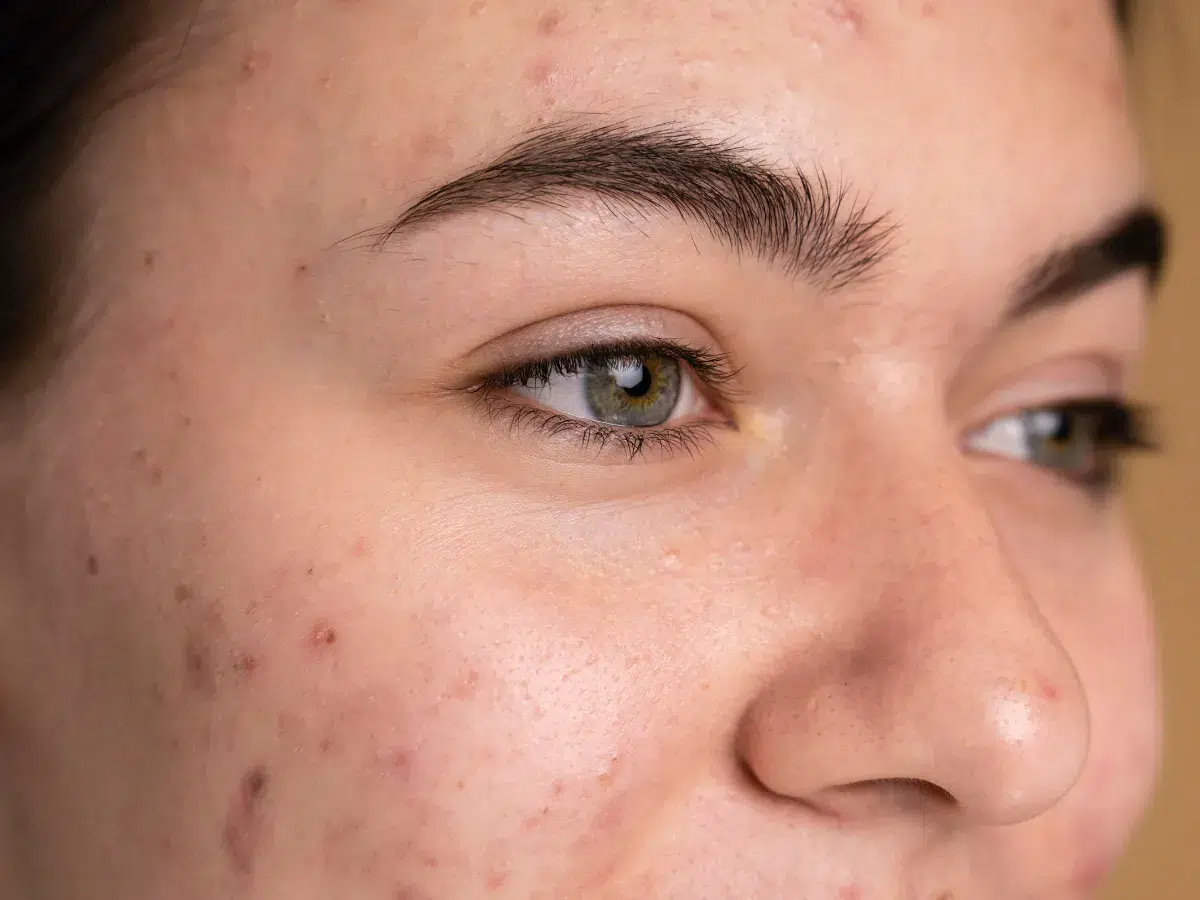
Why Do Dark Spots Keep Coming Back?
Dark spots can keep coming back when the trigger continues.
Common triggers include new breakouts, sun exposure, picking, irritation, harsh products, hormones, inflammation, and inconsistent home care. A personalized plan helps identify what may be making pigmentation more visible.
Dark spots may return or become more noticeable because of:
This is why dark spot care should not focus only on “fading.”
It should also focus on prevention, barrier health, acne control if needed, and a consistent routine that your skin can tolerate.
A Personalized Treatment Plan, Not a One-Size-Fits-All Approach


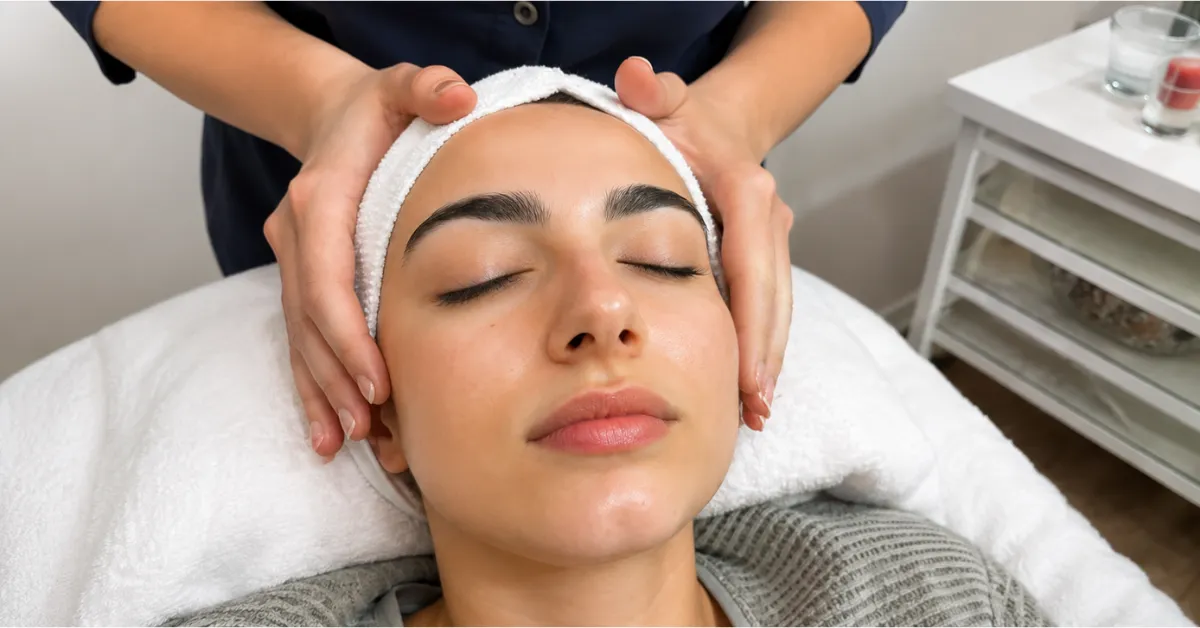
Hyperpigmentation in Melanin-Rich Skin
Melanin-rich skin deserves thoughtful care.
Dark spots on melanin-rich skin may look more visible after acne, irritation, inflammation, or aggressive treatments. This does not mean the skin is “difficult.” It means the skin needs the right level of care, patience, and respect.
At Viviane Aires Skin Wellness, pigmentation-prone skin is supported with a gentle, barrier-conscious approach.
For melanin-rich skin, the goal is to:
This matters because dark spots on melanin-rich skin can sometimes take longer to fade.
A calm and consistent plan is often safer than an aggressive one.
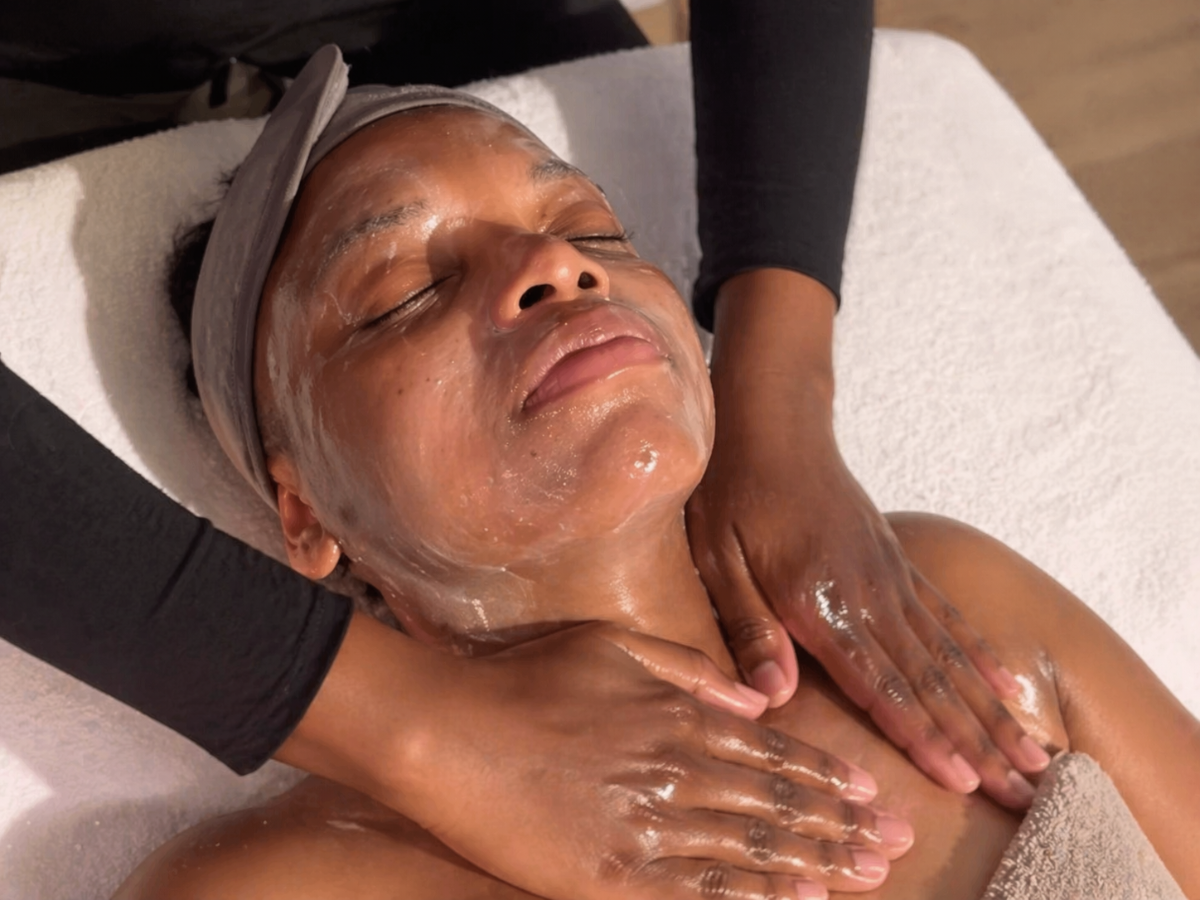
What a Facial Can and Cannot Do for Dark Spots
A facial can support the appearance of dark spots and uneven tone, but it should not promise overnight correction.
A facial may help support:
A facial cannot:
This honesty matters.
The best pigmentation care is realistic, consistent, and personalized to your skin.
When Should You See a Dermatologist?
Some dark spots need medical evaluation.
Please see a board-certified dermatologist if you notice:
We provide cosmetic skin care. We do not diagnose medical skin conditions.
This boundary helps keep your care safe and responsible.
Dark Spots and Uneven Tone Near Rittenhouse Square
Our studio is near Rittenhouse Square and Center City Philadelphia.
We welcome clients from nearby areas including:
If you are searching for support with dark spots, uneven skin tone, post-acne marks, or hyperpigmentation in Philadelphia, our studio offers personalized skin care in a calm, professional setting.
Why Choose Viviane Aires Skin Wellness for Hyperpigmentation & Dark Spots?
At Viviane Aires Skin Wellness, dark spot care is not treated like a one-size-fits-all service.
Your skin tone, sensitivity, breakout history, barrier health, lifestyle, and long-term goals all matter.
Clients choose Viviane Aires Skin Wellness because our approach is:
The goal is not to overwhelm your skin. The goal is to help you understand it.
Ready for Calmer, Clearer-Looking Skin?
If acne, clogged pores, blackheads, or recurring breakouts are affecting your confidence, you do not have to guess what your skin needs.
At Viviane Aires Skin Wellness, your acne care is personalized based on your skin condition, sensitivity, breakout pattern, and long-term goals.
Start with an acne facial, acne treatment, or customized facial in Philadelphia and let your skin receive thoughtful, expert support.
Acne & Breakout Support FAQs
What facial is best for acne?
An acne facial may help support clogged pores, blackheads, congestion, and breakouts. If acne is recurring or hormonal, a more customized acne treatment plan may be better.
What facial helps with clogged pores?
A clogged pores facial or acne facial may help support congestion, blackheads, and buildup. Your esthetician may also recommend extractions when appropriate.
Why does my acne keep coming back?
Acne may return because of hormones, stress, clogged pores, product buildup, inflammation, or barrier damage. The right plan depends on your breakout pattern.
Is LED light therapy good for acne?
LED light therapy may support acne-prone skin with visible redness or inflamed-looking breakouts. It is often used as a gentle add-on when appropriate.
Do you help with hormonal acne?
Yes. Hormonal acne may need a customized approach, especially when breakouts appear around the chin, jawline, or lower face.
Is an acne facial safe for sensitive skin?
It can be, when customized carefully. Sensitive acne-prone skin should be treated gently to protect the skin barrier.
