

How to Fade Dark Spots on Your Face: What Actually Helps?
Dark spots on the face can feel frustrating.
Sometimes the breakout is gone, but the mark stays. Other times, your skin looks smoother, but your tone still looks uneven. You may notice brown spots, post-acne marks, sun spots, or areas that look darker than the rest of your complexion.
The hardest part is knowing what to do next.
Many people try to fade dark spots by using stronger products, exfoliating more often, or layering too many active ingredients. But for many skin types, especially sensitive or melanin-rich skin, that can make irritation worse.
And irritation can make dark spots look more noticeable.
At Viviane Aires Skin Wellness in Philadelphia, we believe dark spot care should be gentle, realistic, and personalized. The goal is not to overwhelm your skin. The goal is to understand why the discoloration is happening and support your skin with the right plan.
If you are trying to fade dark spots on your face, here is what actually helps.

How Do You Fade Dark Spots on Your Face?
Dark spots on the face may fade with daily sunscreen, gentle brightening ingredients, acne control, barrier-safe exfoliation, and professional facial support when appropriate. The best approach depends on whether the spots came from acne, sun exposure, irritation, melasma-like pigmentation, or skin sensitivity.
There is no true overnight fix.
To improve the look of dark spots, you usually need to focus on three things:
- Stop new marks from forming
- Protect existing spots from getting darker
- Support gradual fading with a routine your skin can tolerate
If you are not sure what type of pigmentation you have, start by learning more about hyperpigmentation and dark spots.
What Causes Dark Spots on the Face?
Dark spots often appear when the skin produces extra pigment after inflammation, irritation, acne, sun exposure, or hormonal changes.
Common causes include:
- Acne and breakouts
- Picking at pimples
- Sun exposure
- Harsh products
- Over-exfoliation
- Skin irritation
- Hormonal-looking pigmentation
- Inconsistent sunscreen use
- Melanin-rich skin response after inflammation
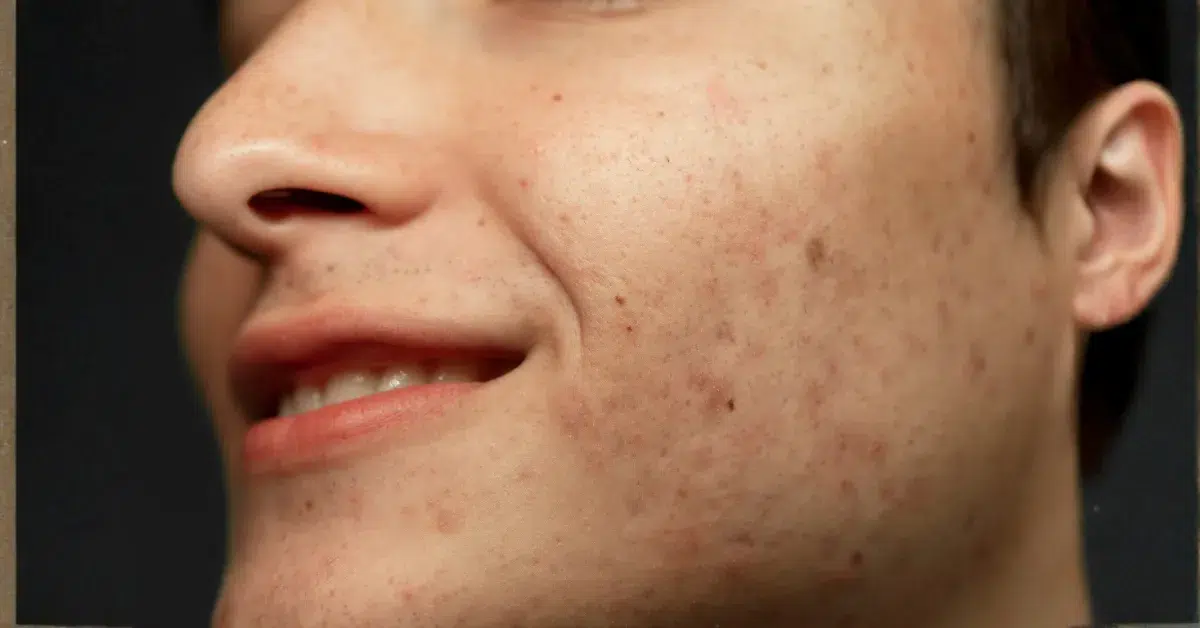
Post-acne dark spots are very common. These marks can appear after a breakout heals, especially if the blemish was inflamed, picked, or irritated.
This is why many clients ask:
“Why are my acne marks dark?”
In many cases, acne marks look dark because inflammation can trigger pigment production in the skin. This is often called post-inflammatory hyperpigmentation.
The mark is not always a scar.
A dark acne mark is usually a color change. An acne scar usually involves a texture change, such as a pit, dent, or raised area.
Step 1: Stop New Dark Spots From Forming
Before you focus only on fading dark spots, it is important to reduce what is creating new marks.
If you still have active acne, picking, irritation, or sun exposure, new spots can continue to appear.
To help prevent new dark spots:
- Do not pick at breakouts
- Treat active acne carefully
- Avoid harsh scrubs
- Do not use too many actives at once
- Protect your skin barrier
- Wear sunscreen every day
- Keep your routine consistent
- Get professional guidance if your skin keeps reacting
If breakouts are still active, you may need to address active acne and recurring breakouts first.
This is important because fading old spots becomes harder when new breakouts keep leaving new marks.
Step 2: Use Sunscreen Every Day
Sunscreen is one of the most important steps for fading dark spots.
Without daily protection, sun exposure can make pigmentation look darker and slow visible improvement. The American Academy of Dermatology recommends broad-spectrum, water-resistant sunscreen with SPF 30 or higher, along with shade and sun-protective clothing for stronger protection.
This matters even if you are indoors part of the day.
It also matters during cloudy weather.
For dark spots and pigmentation-prone skin, sunscreen helps protect your progress. If you are using brightening products, exfoliating ingredients, facials, or peels, SPF becomes even more important.
For melasma-prone or melanin-rich skin, tinted sunscreen may also be helpful because visible light can worsen melasma, especially in darker skin tones. AAD recommends tinted sunscreen with iron oxides for visible light protection when melasma is a concern.
To support fading dark spots:
- Apply sunscreen every morning
- Choose broad-spectrum SPF 30 or higher
- Reapply when outdoors
- Avoid tanning beds
- Use hats or shade when possible
- Be consistent, especially in summer
Sunscreen does not erase dark spots by itself overnight.
But without it, dark spots can become more stubborn.
Step 3: Choose Gentle Brightening Support
Brightening ingredients may help support a more even-looking complexion, but they need to be chosen carefully.
Some common ingredients used in dark spot routines include:
- Vitamin C
- Niacinamide
- Azelaic acid
- Licorice root
- Mandelic acid
- Gentle exfoliating acids when appropriate
The key word is gentle.
More products do not always mean faster results. In fact, using too many active ingredients at once can irritate your skin.
That irritation may lead to more discoloration, especially if your skin is sensitive or melanin-rich.
A better approach is to use a simple, consistent routine that supports the skin barrier while slowly improving the look of uneven tone.
If your skin stings, burns, flakes heavily, or feels tight all the time, your routine may be too aggressive.
Step 4: Avoid Over-Exfoliating
Over-exfoliation can irritate the skin and sometimes make dark spots look worse, especially in sensitive or melanin-rich skin. A gentle, consistent routine is usually safer than aggressive scrubbing or using too many acids.
This is one of the biggest mistakes people make when trying to fade dark spots.
They think:
“If I exfoliate more, the spot will go away faster.”
But the skin does not always work that way.
Too much exfoliation can cause:
- Redness
- Burning
- Dryness
- Flaking
- Barrier damage
- More sensitivity
- More visible pigmentation
AAD also notes that irritating skin care products can darken dark spots, which is why gentle, fragrance-free skin care is recommended for melasma-prone skin.
If your skin is already inflamed, aggressive exfoliation may slow your progress.
For dark spots, your skin needs consistency more than force.
Step 5: Consider a Facial for Dark Spots and Uneven Tone
A facial cannot remove dark spots overnight.
But the right facial may support brighter-looking, smoother, more even-looking skin when it is customized properly.
A professional facial may help with:
- Skin analysis
- Gentle exfoliation when appropriate
- Hydration
- Barrier support
- Dullness
- Uneven-looking tone
- Texture support
- Homecare guidance
At Viviane Aires Skin Wellness, dark spot care is not one-size-fits-all. Your esthetician looks at your skin tone, sensitivity, acne history, current routine, and the possible reason your pigmentation is recurring.
If your main concern is dark spots or uneven tone, a hyperpigmentation facial in Philadelphia may be a good starting point.
If your skin is sensitive or you are unsure what your skin needs, a customized facial in Philadelphia may be more appropriate.
For some clients, chemical peels for uneven-looking skin may be recommended when the skin is ready and it fits the treatment plan.
The goal is not to rush your skin.
The goal is to choose the right path.
How Long Do Dark Spots Take to Fade?
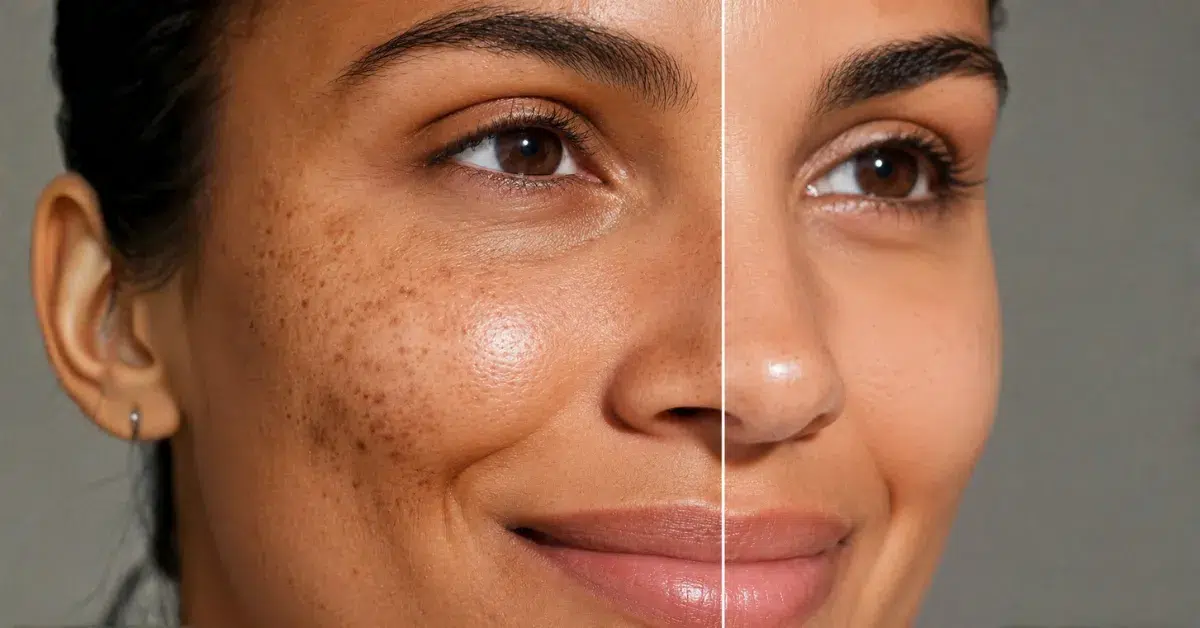
Dark spots can take weeks to months to fade, depending on the cause, skin tone, depth of pigment, sun exposure, acne control, homecare, and treatment consistency. Some marks fade gradually, while deeper or recurring pigmentation may need a longer plan.
The timeline depends on:
- How the spot formed
- How long it has been there
- Your skin tone
- Your daily sunscreen use
- Whether acne is still active
- Whether you pick at breakouts
- Your homecare routine
- How your skin responds to treatment
Post-acne marks may fade gradually when new breakouts are controlled and the skin barrier is supported.
Sun-related pigmentation may take longer, especially if sun exposure continues.
Melasma-like pigmentation can be more stubborn and may need medical evaluation. AAD explains that melasma can last for years for some people, and a board-certified dermatologist can create a treatment plan when needed.
If your pigmentation is persistent, recurring, or connected to acne, aging, or multiple skin concerns, a corrective Skin Focus Program may offer more structured support than a single appointment.
Dark Spots on Melanin-Rich Skin Need Extra Care
Melanin-rich skin can be more prone to visible dark marks after acne, irritation, or inflammation.
This does not mean your skin is difficult.
It means your skin deserves a thoughtful plan.
For melanin-rich skin, aggressive treatments or harsh routines can sometimes create more irritation. AAD notes that some melasma treatments can irritate darker skin and make melasma darker, which is why a careful approach matters.
At Viviane Aires Skin Wellness, we focus on:
- Barrier support
- Gentle exfoliation when appropriate
- Calming inflammation
- Treating active breakouts carefully
- Avoiding unnecessary irritation
- Supporting gradual improvement
- Respecting every complexion
- Building a realistic homecare plan
Dark spots on melanin-rich skin often need patience.
A calm, consistent plan is usually better than a harsh quick fix.
When Should You See a Dermatologist?
Some dark spots need medical evaluation.
Viviane Aires Skin Wellness provides cosmetic skin care and does not diagnose medical skin conditions.
Please see a board-certified dermatologist if you notice:
- A new spot
- A changing spot
- A spot that bleeds
- A spot that itches
- A spot that looks different from others
- Sudden or unexplained discoloration
- Suspected melasma
- Any concern that feels medical, not cosmetic
This is important because not every dark spot is simply hyperpigmentation. A dermatologist can diagnose melasma or other skin conditions and guide medical treatment when needed.
Dark Spot Support Near Rittenhouse Square and Center City Philadelphia
Our studio is near Rittenhouse Square and Center City Philadelphia.
We welcome clients from nearby areas including:
- Rittenhouse Square
- Center City Philadelphia
- Fitler Square
- Graduate Hospital
- Washington Square West
- Logan Square
If you are looking for a facial for dark spots in Philadelphia, hyperpigmentation support, or help with uneven skin tone, our studio offers personalized care in a calm, professional setting.

Why Choose Viviane Aires Skin Wellness?
Dark spot care should feel thoughtful, not rushed.
At Viviane Aires Skin Wellness, your skin is treated as individual. Your treatment plan is based on your skin tone, sensitivity, breakout history, current routine, barrier health, and long-term goals.
Clients choose our studio because we offer:
- Licensed esthetician-led care
- Personalized skin analysis
- Barrier-conscious treatment planning
- Support for melanin-rich skin
- Acne mark and uneven tone support
- Mature and changing skin support
- Professional homecare guidance
- A calm studio near Rittenhouse Square
- A no one-size-fits-all approach
The goal is to help your skin look clearer, calmer, and more even over time.
Not by guessing.
Not by over-treating.
But by choosing the right support for your skin.
Ready to Fade Dark Spots the Gentle Way?
Dark spots can be frustrating, but you do not have to guess your way through products or harsh treatments.
At Viviane Aires Skin Wellness, your care is personalized based on your skin tone, sensitivity, breakout history, barrier health, and long-term goals.
Start with a plan that respects your skin.