
Hyperpigmentation & Sun Damage in Summer
Hyperpigmentation & Sun Damage in Summer: What Melanin-Rich Skin Needs to Know
Summer can be beautiful for the soul but stressful for the skin, especially if you are prone to hyperpigmentation, dark spots, uneven tone, melasma-like discoloration, or post-acne marks.
At Viviane Aires Skin Wellness in Philadelphia, we often see clients who say the same thing around summer:
“My skin looked fine, but after a few sunny days, my dark spots looked deeper.”
Or:
“I wore sunscreen, but my acne marks still got darker.”
This is common, especially for melanin-rich skin. More melanin gives the skin beautiful depth and natural protection, but it also means the skin may respond to inflammation, acne, irritation, and sun exposure by creating more visible pigment.
The good news? Summer does not have to ruin your skin’s progress. With the right protection, professional guidance, and a gentle treatment plan, you can support a more even, healthy-looking complexion without being aggressive with your skin.
Why Does Hyperpigmentation Get Worse in Summer?
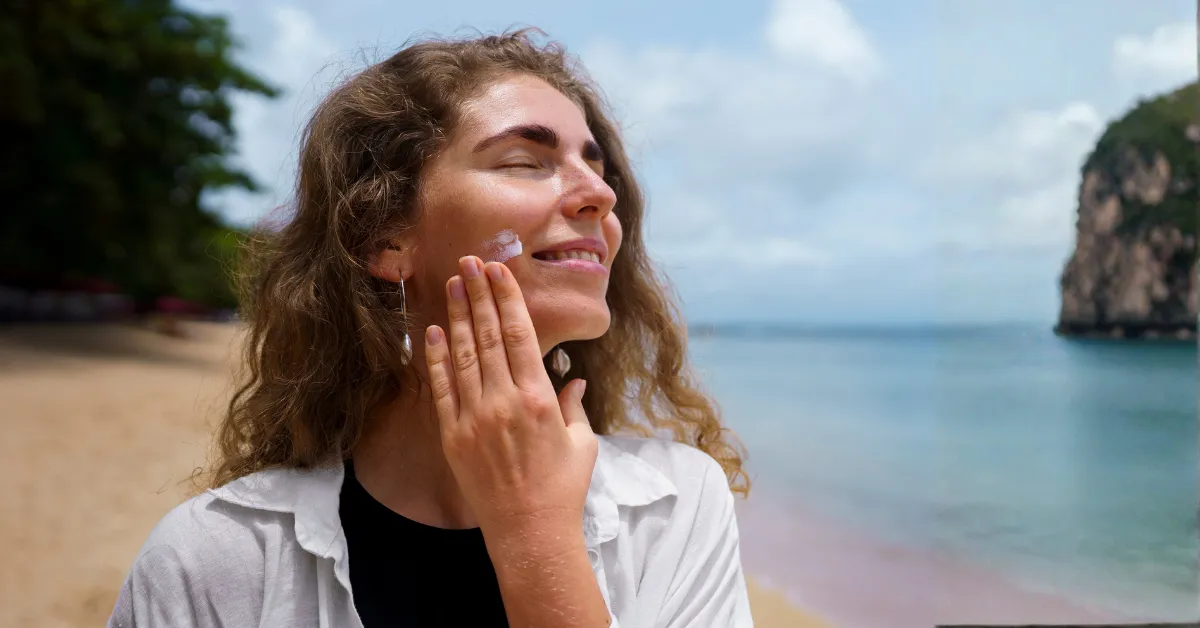
Hyperpigmentation can look worse in summer because UV exposure, heat, inflammation, and visible light may trigger more pigment production in the skin. For melanin-rich skin, dark spots from acne, sun exposure, or irritation may become more noticeable if the skin is not protected consistently with SPF, gentle skincare, and barrier support.
That is why summer skin care should not only focus on “glow.” It should also focus on prevention, calming inflammation, hydration, and protecting the progress you have already made.
What Is Hyperpigmentation?
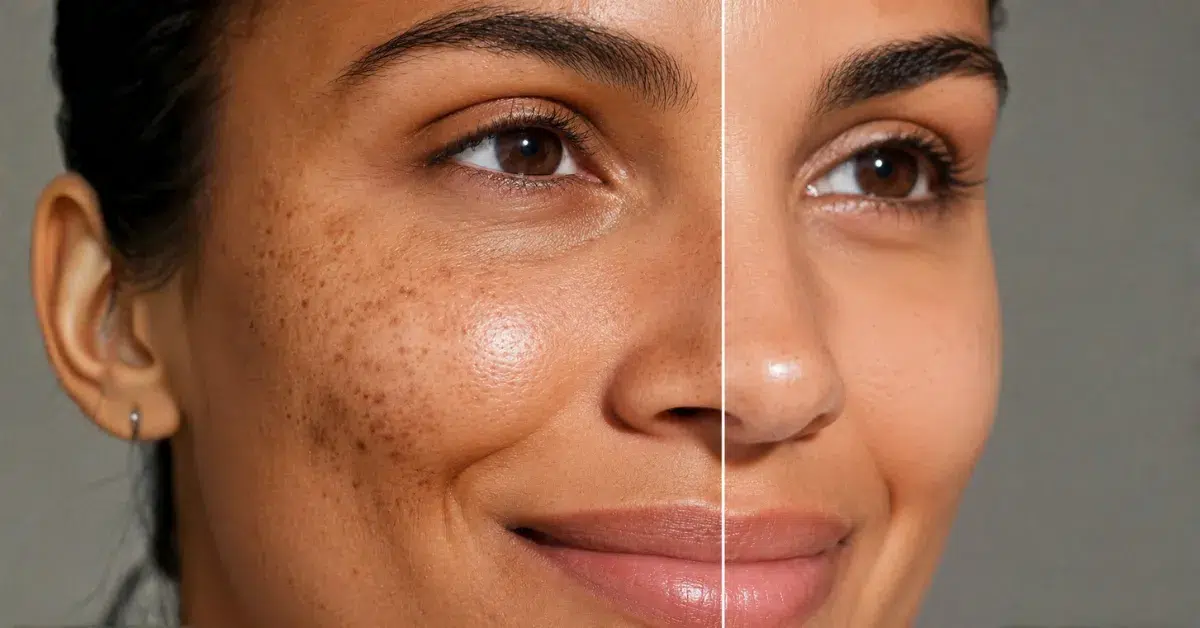
Hyperpigmentation happens when certain areas of the skin produce more pigment than the surrounding skin. It can appear as brown spots, dark marks, uneven tone, sun spots, or patches of discoloration.
In real life, clients usually do not come in saying, “I have hyperpigmentation.” They say things like:
- “My acne marks will not fade.”
- “My skin tone looks uneven.”
- “My dark spots got worse after vacation.”
- “My forehead and cheeks look patchy.”
- “My skin looks dull even when I moisturize.”
- “Every breakout leaves a mark.”
These are the everyday ways hyperpigmentation shows up.
For some people, discoloration is related to acne. For others, it may be connected to sun exposure, hormones, irritation, over-exfoliation, or previous inflammation in the skin.
Why Melanin-Rich Skin Needs a Different Approach
Melanin-rich skin is not “harder to treat,” but it does need to be treated with care and understanding.
The biggest mistake is assuming that every dark spot needs aggressive exfoliation, strong peels, or harsh brightening products. In reality, too much irritation can sometimes make pigmentation look worse, especially in deeper skin tones.
At Viviane Aires Skin Wellness, the approach is more thoughtful:
- Understand what triggered the pigmentation
- Calm inflammation first
- Support the skin barrier
- Choose exfoliation carefully
- Protect the skin from sun exposure
- Build a realistic treatment plan
- Avoid unnecessary irritation
This matters because melanin-rich skin can be more reactive to inflammation. A breakout, a harsh scrub, or an overly strong treatment may leave behind a mark that lasts much longer than the original irritation.
Common Summer Triggers for Dark Spots and Uneven Tone
Summer can create the perfect environment for pigmentation concerns. It is not only about sun exposure. Heat, sweat, clogged pores, and inconsistent routines can all play a role.
| Summer Trigger | What It Can Do to the Skin | Common Result |
| UV exposure | Stimulates pigment activity | Darker spots, sun spots, uneven tone |
| Heat | Increases sensitivity and inflammation | Redness, irritation, pigmentation flare-ups |
| Sweat and oil | Can clog pores | Breakouts and post-acne marks |
| Skipping SPF | Leaves skin unprotected | More visible discoloration |
| Over-exfoliating | Weakens the skin barrier | Irritation and more pigmentation |
| Vacation routine changes | Less consistency with skincare | Dullness, breakouts, dehydration |
The goal in summer is not to do more. The goal is to do the right things consistently.
Sun Damage vs. Hyperpigmentation: What’s the Difference?
Sun damage and hyperpigmentation are connected, but they are not exactly the same.
Sun damage refers to skin changes caused by repeated UV exposure. This may include dark spots, rough texture, dullness, fine lines, dryness, and uneven tone.
Hyperpigmentation refers specifically to areas of excess pigment. It can be caused by sun exposure, but it can also come from acne, inflammation, hormones, or irritation.
Simple Comparison
| Concern | What It Looks Like | Common Cause | Best Support |
| Sun spots | Small brown spots, often on sun-exposed areas | UV exposure | SPF, brightening care, professional treatments |
| Post-acne marks | Dark marks after breakouts | Acne inflammation | Acne control, calming care, gentle exfoliation |
| Melasma-like patches | Larger uneven patches | Hormones + sun/heat | SPF, gentle care, professional guidance |
| Uneven tone | Overall patchiness or dullness | Sun, dehydration, inflammation | Hydration, barrier repair, customized facial care |
This is why a customized approach matters. Two people can both have “dark spots,” but the cause may be completely different.
Does Sunscreen Help Hyperpigmentation?
Yes. Sunscreen is one of the most important steps for preventing hyperpigmentation from getting darker.
If you are treating dark spots but not using SPF consistently, your results may be slower or less visible. This is especially true during summer, when the skin gets more UV exposure from walking outside, driving, outdoor dining, beach days, errands, and events around Philadelphia.
For melanin-rich skin, sunscreen is not only about preventing sunburn. It is about protecting your even tone.
What to Look for in Summer SPF
Choose a sunscreen that is:
- Broad-spectrum
- SPF 30 or higher
- Comfortable enough to wear daily
- Non-comedogenic if you are acne-prone
- Reapplied when outdoors
- Compatible with your skin tone and texture
A sunscreen you hate will sit in a drawer. A sunscreen you enjoy wearing is the one that actually protects your skin.
Why Dark Spots From Acne Get Worse in Summer
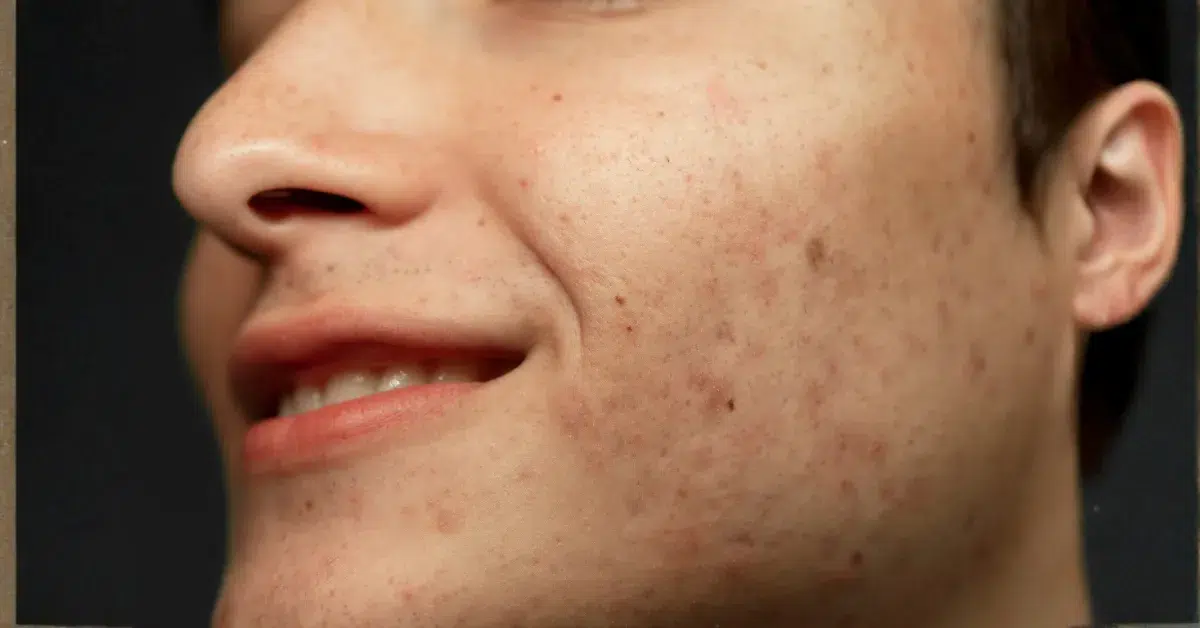
Post-acne marks can become more noticeable in summer because sun exposure and inflammation may deepen the look of discoloration. Sweat, sunscreen buildup, and clogged pores may also trigger more breakouts, which can create new dark marks.
This becomes a cycle:
Breakout → inflammation → dark mark → sun exposure → darker mark → more frustration.
For acne-prone clients, we usually want to reduce the cycle at the source. That means calming the skin, keeping pores clear, supporting the barrier, and preventing new breakouts as much as possible.
If your pigmentation is connected to active acne, a professional acne facial in Philadelphia may be a better starting point than only focusing on brightening.
Can a Facial Help With Summer Hyperpigmentation?
A facial can support summer hyperpigmentation by improving hydration, calming inflammation, supporting gentle exfoliation, and helping the skin look brighter and more balanced. However, dark spots usually fade gradually. A facial works best when paired with consistent SPF, homecare, and a customized treatment plan.
At Viviane Aires Skin Wellness, the goal is not to promise overnight fading. The goal is to understand the skin, support the barrier, and choose the safest next step.
A customized treatment may include:
- Gentle cleansing
- Hydration support
- Calming ingredients
- Brightening-focused care
- Careful exfoliation when appropriate
- LED support if inflammation is present
- Homecare and SPF guidance
For clients dealing with dark spots, sun damage, or uneven tone, a hyperpigmentation facial in Philadelphia can be a smart place to begin.
What Not to Do When You Have Dark Spots in Summer
Sometimes the skin gets worse not because someone is doing nothing, but because they are doing too much.
Avoid these common mistakes:
- Using harsh scrubs every day
- Layering too many brightening products
- Skipping sunscreen
- Picking at breakouts
- Getting aggressive peels during heavy sun exposure
- Using strong exfoliating acids without guidance
- Trying every trending product from social media
- Ignoring dryness, burning, or irritation
If your skin is irritated, it is not in the best condition to correct pigmentation. Calm skin responds better than stressed skin.
Best Professional Treatments to Consider
Not every treatment is right for every skin tone, season, or pigmentation type. That is why a consultation matters.
Here are common treatment options that may support uneven tone and dark spots.
| Treatment Option | Best For | Summer Note |
| Customized Facial | Dullness, dehydration, mild uneven tone, sensitive skin | Great starting point |
| Hydrating Facial | Dry, depleted, sun-stressed skin | Helpful during hot weather |
| LED Light Therapy | Inflammation, acne-prone skin, recovery support | Gentle supportive option |
| Chemical Peels | Post-acne marks, texture, uneven tone | Often better planned carefully, especially closer to fall |
| Skin Rejuvenation | Dullness, texture, uneven skin appearance | Good for overall renewal |
For summer, we often prioritize skin health first: hydration, barrier support, inflammation control, and SPF education. More corrective treatments can be planned strategically when the skin is ready.
You can also explore customized facials in Philadelphia if you are unsure which treatment fits your skin.
Why Fall Is Important for Peel Season
Summer is the season for protecting and stabilizing the skin. Fall is often a better time to start more corrective work, such as certain chemical peels, because sun exposure is usually lower and clients are more ready to rebuild their routine.
This is why we like to prepare skin before fall. If your skin barrier is damaged, dehydrated, or inflamed, it may not be ready for more active treatments.
A smart plan may look like this:
June–July: Protect and Calm
- Daily SPF
- Hydration
- Barrier repair
- Acne control
- Gentle facials
- Avoid over-exfoliation
August: Reset and Prepare
- Review pigmentation concerns
- Strengthen homecare
- Plan corrective treatments
- Start professional guidance
September–October: Correct and Maintain
- Consider peels if appropriate
- Continue SPF
- Support skin renewal
- Maintain consistent facials
This is a healthier approach than trying to force fast results in the middle of summer.
At-Home Summer Skincare Tips for Melanin-Rich Skin
Your home routine does not need to be complicated. In fact, simple and consistent is often better.
Morning Routine
- Gentle cleanser
- Hydrating serum or lightweight moisturizer
- Antioxidant or brightening support if appropriate
- Broad-spectrum sunscreen
Evening Routine
- Cleanse thoroughly, especially if wearing sunscreen
- Use treatment products as directed
- Moisturize to support the skin barrier
- Avoid using too many actives at once
Weekly Habits
- Do not over-exfoliate
- Change pillowcases often if acne-prone
- Avoid picking breakouts
- Reapply sunscreen when outside
- Book professional guidance if dark spots keep returning
The goal is to reduce new inflammation while protecting the skin you are trying to correct.
When Should You See an Esthetician?
You should consider seeing an esthetician if your dark spots are getting darker, your acne marks are not fading, your skin looks uneven after summer sun exposure, or you are unsure which products are safe for your skin tone.
A professional can help you avoid guessing.
At Viviane Aires Skin Wellness, Viviane takes time to understand your skin history, your routine, your sensitivity, and what may be triggering your pigmentation. This is especially helpful if you have tried multiple products and still feel stuck.
Professional guidance can help answer questions like:
- Is this acne pigmentation or sun damage?
- Is my routine too strong?
- Am I exfoliating too much?
- Do I need a facial, peel, LED, or acne support?
- What should I avoid during summer?
- How can I protect my results?

A Gentle Reminder: Dark Spots Take Time
It is completely understandable to want dark spots gone quickly. They can affect how you feel in your skin, how comfortable you are without makeup, and how confident you feel in photos.
But pigmentation is not always a quick-fix concern.
The best approach is patient, consistent, and protective. The skin needs time to calm, repair, and renew. With melanin-rich skin, rushing the process can sometimes create more irritation — and more discoloration.
A thoughtful plan is not slower because it is weak. It is slower because it respects the skin.
Ready to Support Your Skin This Summer?
Summer skin care for melanin-rich skin should be protective, thoughtful, and realistic. If you are noticing dark spots, uneven tone, post-acne marks, or sun damage, you do not have to guess your way through another season of products.
At Viviane Aires Skin Wellness in Philadelphia, your treatment is customized around your skin’s real needs. Whether your next step is hydration, acne support, LED, chemical peels, or a personalized hyperpigmentation facial, Viviane will help you choose a plan that respects your complexion and supports healthier-looking skin over time.
Start with a hyperpigmentation facial in Philadelphia or book a virtual skin consultation to understand what your skin needs next.