

Why Your Skin Texture Feels Rough Even When You Exfoliate?
If your skin still feels rough after exfoliating, the problem may not be a lack of exfoliation. Dehydration, clogged pores, over-exfoliation, a weakened skin barrier, acne-related texture, or slower skin renewal can all make the face feel rough. In some cases, adding more exfoliation can actually make the texture worse.
At Viviane Aires Skin Wellness in Philadelphia, we often see that rough texture is not caused by just one issue. The first step is understanding why the skin feels rough before adding another scrub, acid, or exfoliating treatment. A personalized approach can help determine whether the skin needs hydration, barrier support, congestion-focused care, or controlled exfoliation.
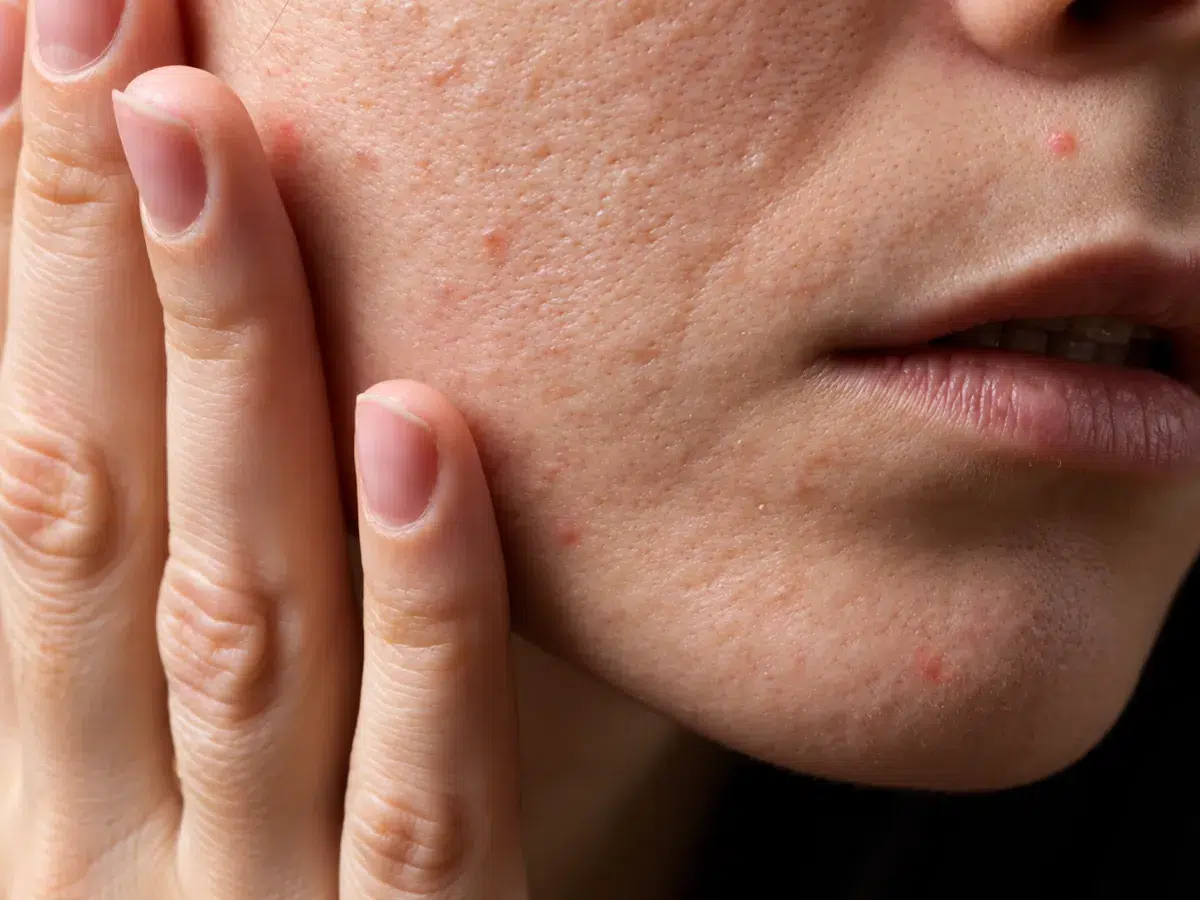
Can Exfoliating Too Much Make Your Skin Rougher?
Yes. Over-exfoliating can make skin feel rougher because repeated irritation can leave the skin dry, red, tight, sensitive, or flaky.
If you keep exfoliating because your skin feels rough, you can sometimes create a cycle:
roughness → more exfoliation → irritation → more dryness and roughness
AAD specifically recommends adjusting exfoliation to your skin type and warns that over-exfoliation can leave skin red and irritated. People using retinol, retinoids, benzoyl peroxide, or other exfoliating products may be especially prone to dryness or irritation when additional exfoliation is added.
Signs You May Be Over-Exfoliating
Your routine may be too aggressive if you notice:
- Burning or stinging
- Tightness
- Flaking
- Redness
- Increased sensitivity
- Moisturizer suddenly stings
- Skin looks shiny but feels dry
- Roughness gets worse after exfoliating
- Products that once felt comfortable now irritate your skin
If several of these signs appear together, more exfoliation may not be the answer.
Is Your Skin Rough Because It Is Dehydrated?
Yes. Skin that lacks enough moisture can feel rough, tight, dull, or flaky even if you exfoliate regularly.
This is important because dehydration is not the same as dead skin buildup.
Even oily skin can feel dehydrated. You may notice that your face produces oil but still feels tight after cleansing, or that makeup settles into fine lines and rough areas.
AAD notes that when skin loses enough moisture, it can begin to flake, which creates a rough texture.
Signs dehydration may be contributing to texture include:
- Tightness after washing
- Fine surface lines
- Dullness
- Flaking
- Rough patches
- Makeup sitting unevenly
- Skin that feels oily and dry at the same time
If this sounds familiar, learn more about dry and dehydrated skin.
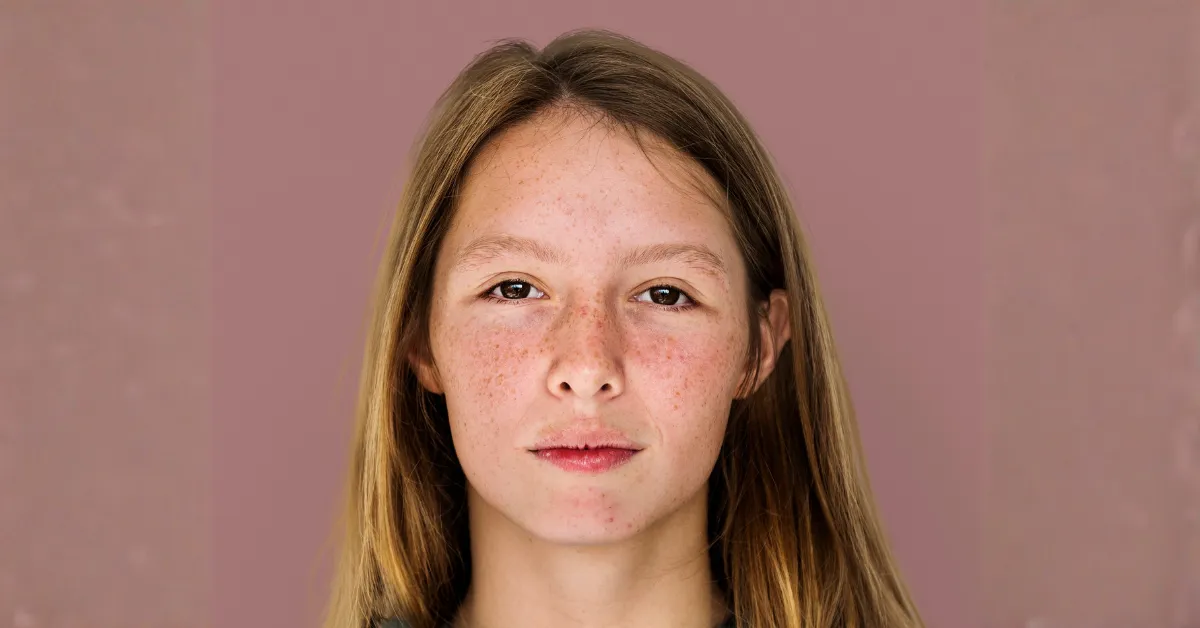
Can a Damaged Skin Barrier Cause Rough Texture?
Yes. A stressed or compromised skin barrier can make the skin feel rough, dry, sensitive, flaky, or irritated because it has more difficulty holding moisture and protecting itself from external irritants.
Barrier stress can happen when you combine too many active ingredients or repeatedly strip the skin.
Common causes include:
- Frequent acid exfoliation
- Retinoids used too aggressively
- Physical scrubs
- Harsh cleansers
- Over-cleansing
- Too many active products at once
- Environmental stress
- Very hot water
- Repeated irritation
If your skin has also become reactive, burning, or unusually sensitive, our sensitive skin guide explains how barrier stress and sensitivity can overlap.
Can Clogged Pores Make Skin Feel Rough?
Yes. Clogged pores can create small bumps and uneven texture, especially around the forehead, nose, chin, or cheeks.
In this case, the problem may not be dryness at all.
Clogged pores can form when oil, dead skin cells, and debris build up inside the pore. The skin may feel:
- Bumpy
- Congested
- Uneven
- Oily but rough
- Textured in certain lighting
This is different from skin that feels rough because it is dry or irritated.
If bumps, blackheads, whiteheads, or recurring breakouts are also present, our acne and breakouts guide may be a better starting point.
Rough Skin vs Bumpy Skin: Are They the Same?
Not always.
| Rough Skin | Bumpy Skin |
| May feel dry or sandpaper-like | Has raised or uneven areas |
| Often linked to dehydration or surface buildup | Often linked to clogged pores, acne, or irritation |
| May not be very visible | Often easier to see in side lighting |
| Can improve with hydration and barrier support | May need congestion-focused care |
Some people have both.
That is why simply increasing exfoliation without understanding the cause can be frustrating.
Why Does My Skin Still Feel Rough After Exfoliating?
Exfoliation only helps certain causes of rough skin.
It can remove some dead surface buildup, but it will not automatically fix dehydration, irritation, congestion, acne scars, or a damaged skin barrier.
Common reasons your skin may still feel rough include:
- Over-exfoliation
- Dehydration
- A compromised skin barrier
- Clogged pores
- Acne-related texture
- Product irritation
- Dryness
- Slower skin renewal
The American Academy of Dermatology notes that exfoliation can improve the skin for some people, but using the wrong method or exfoliating too aggressively can lead to irritation, redness, dryness, or breakouts.
Why Does My Makeup Look Textured Even After Exfoliating?
Makeup can make texture more noticeable when the skin is dehydrated, flaky, irritated, or over-exfoliated.
A common mistake is scrubbing or using strong acids right before an event because the skin looks rough. If the barrier is already stressed, this can make the foundation cling to dry areas even more.
A better approach may be:
- Reduce aggressive exfoliation
- Use gentle hydration
- Avoid introducing several new actives
- Moisturize consistently
- Give irritated skin time to settle
- Choose professional exfoliation only when the skin is ready
Smooth-looking makeup usually starts with comfortable, well-hydrated skin rather than maximum exfoliation.
Can Acne Marks Cause Uneven Skin Texture?
Flat post-acne marks usually change skin color, not texture. True acne scars can create dents, pits, raised areas, or other surface changes.
This distinction matters.
AAD explains that flat post-inflammatory hyperpigmentation after acne is not a true scar, while acne scars can create permanent depressions or raised areas in the skin.
If you are unsure what you are seeing, read our guide to post-acne marks vs acne scars.
For flat discoloration, hyperpigmentation and dark spots may be the more relevant concern.
For actual roughness, bumps, or uneven surface changes, explore our uneven skin texture guide.
Should You Keep Exfoliating If Your Skin Feels Rough?
Not always. If your skin is burning, tight, flaky, unusually sensitive, or reacting to basic skincare, reducing exfoliation may be more appropriate than adding more.
Use your skin’s symptoms as a guide:
| If Your Skin Feels… | Better Next Step |
| Dry + tight | Hydration and barrier support |
| Burning + sensitive | Pause stronger exfoliation |
| Congested + bumpy | Professional assessment |
| Dull but comfortable | Gentle exfoliation may help |
| Pitted after acne | Scar/texture assessment |
| Rough despite many actives | Simplify your routine |
How to Improve Rough Skin Texture Without Over-Exfoliating
1. Simplify Your Routine
If you are using several acids, scrubs, retinoids, or acne treatments at once, consider whether your skin is being asked to tolerate too much.
A simpler routine makes it easier to see what is helping and what may be causing irritation.
2. Support Hydration
Gentle cleansing and consistent moisturizing can make a major difference when roughness is related to dryness or dehydration.
3. Protect the Skin Barrier
If the skin is stinging, flaking, or reacting to basic products, focus first on comfort and barrier support rather than trying to polish the texture away.
4. Use Sunscreen Consistently
UV exposure can worsen irritation and pigmentation, especially when the skin is already sensitized by exfoliating products.
5. Address Congestion Instead of Scrubbing It
If your texture is caused by clogged pores, repeatedly scrubbing the surface may not address the actual problem.
A professional skin assessment can help determine whether congestion, dryness, sensitivity, or another concern is driving the texture.
6. Get Professional Guidance if Texture Persists
If you have tried exfoliating, moisturizing, and simplifying your routine but your skin still feels rough, it may be time to stop guessing.
As a licensed esthetician I can help identify whether your skin needs hydration, controlled exfoliation, congestion support, or a different treatment path.
What Facial Is Best for Rough Skin Texture?
The best facial depends on what is causing the roughness.
| Main Concern | Possible Professional Support |
| Surface buildup + dullness | Customized facial |
| Peach fuzz + surface roughness | Dermaplaning |
| Congestion + discoloration | Carefully selected chemical peel |
| Dry + rough skin | Hydrating facial |
| Persistent uneven texture | Professional skin assessment |
| Deep post-acne scars | Dermatology guidance may be needed |
At Viviane Aires Skin Wellness, the first step is understanding the condition of your skin instead of automatically choosing the strongest exfoliation.
A customized facial can be a useful starting point when you are unsure what your skin needs.
For surface buildup and peach fuzz, dermaplaning may be appropriate.
For certain concerns involving congestion, dullness, or post-acne discoloration, chemical peels may be considered when the skin barrier is ready.
Rough Skin Texture Support Near Rittenhouse Square
Viviane Aires Skin Wellness is located at:
255 S 17th St Suite 2407
Philadelphia, PA 19103
Our studio is near Rittenhouse Square and Center City Philadelphia.
Viviane’s approach is personalized based on your skin condition, sensitivity, hydration, acne history, pigmentation risk, and long-term goals.
For rough or uneven texture, the goal is not aggressive exfoliation. It is choosing the right support based on what is actually causing the texture.
When Should You See an Esthetician or Dermatologist?
An esthetician may help when your concern involves:
- Dullness
- Surface buildup
- Mild congestion
- Dehydration
- Routine confusion
- Mild uneven texture
Consider seeing a dermatologist when you have:
- Persistent rash
- Severe inflammation
- Painful acne
- Deep acne scars
- Sudden unexplained texture changes
- Significant itching
- Bleeding or changing skin lesions
- Symptoms that keep worsening
Professional esthetic care supports cosmetic skin concerns but does not replace medical diagnosis or treatment.

Ready to Understand What Your Skin Texture Needs?
If your skin still feels rough despite exfoliating, another scrub or acid may not be the answer.
At Viviane Aires Skin Wellness, your skin can be assessed for dehydration, congestion, barrier stress, acne-related texture, and surface buildup before choosing the next step.